عرق النسا: الأسباب والأعراض والعلاج ومتى تحتاج إلى العلاج الطبيعي؟
عرق النسا من الحالات التي قد تسبب ألمًا يمتد من أسفل الظهر أو منطقة الأرداف إلى الساق، وقد يصاحبه في بعض الحالات تنميل أو وخز أو ضعف في عضلات الطرف السفلي.
لكن هناك نقطة مهمة:
ليس كل ألم يمتد إلى الساق يعني بالضرورة وجود عرق النسا، كما أن وجود انزلاق غضروفي في الأشعة لا يعني بالضرورة أنه سبب الأعراض.
لذلك يبدأ التعامل الصحيح مع الحالة من فهم الأعراض وإجراء تقييم إكلينيكي دقيق، وليس من علاج مكان الألم فقط.
ما هو عرق النسا؟
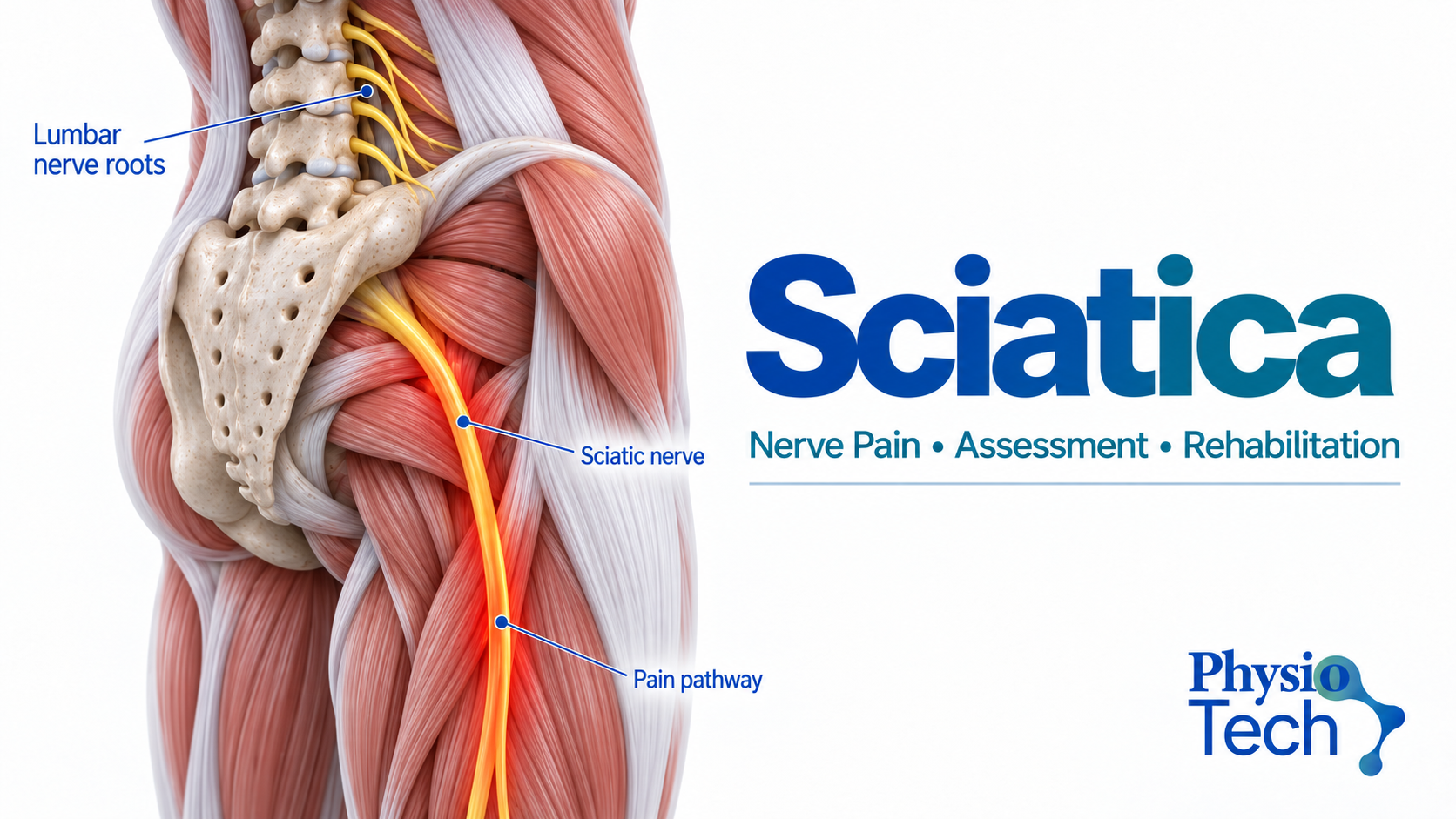
يُستخدم مصطلح عرق النسا (Sciatica) لوصف الأعراض الناتجة عن تأثر أحد جذور الأعصاب التي تكوّن العصب الوركي.
قد يمتد الألم من أسفل الظهر أو الأرداف إلى الفخذ أو الساق أو القدم، وقد يصاحبه:
- تنميل
- وخز
- إحساس بالحرقان أو الألم الكهربائي
- ضعف عضلي
- تغير في الحركة أو القدرة على أداء بعض الأنشطة
وتختلف الأعراض باختلاف العصب أو جذر العصب المتأثر ودرجة تأثره.
ولهذا السبب، لا توجد خطة علاج واحدة تصلح لكل شخص يعاني من عرق النسا.
ما أسباب عرق النسا؟
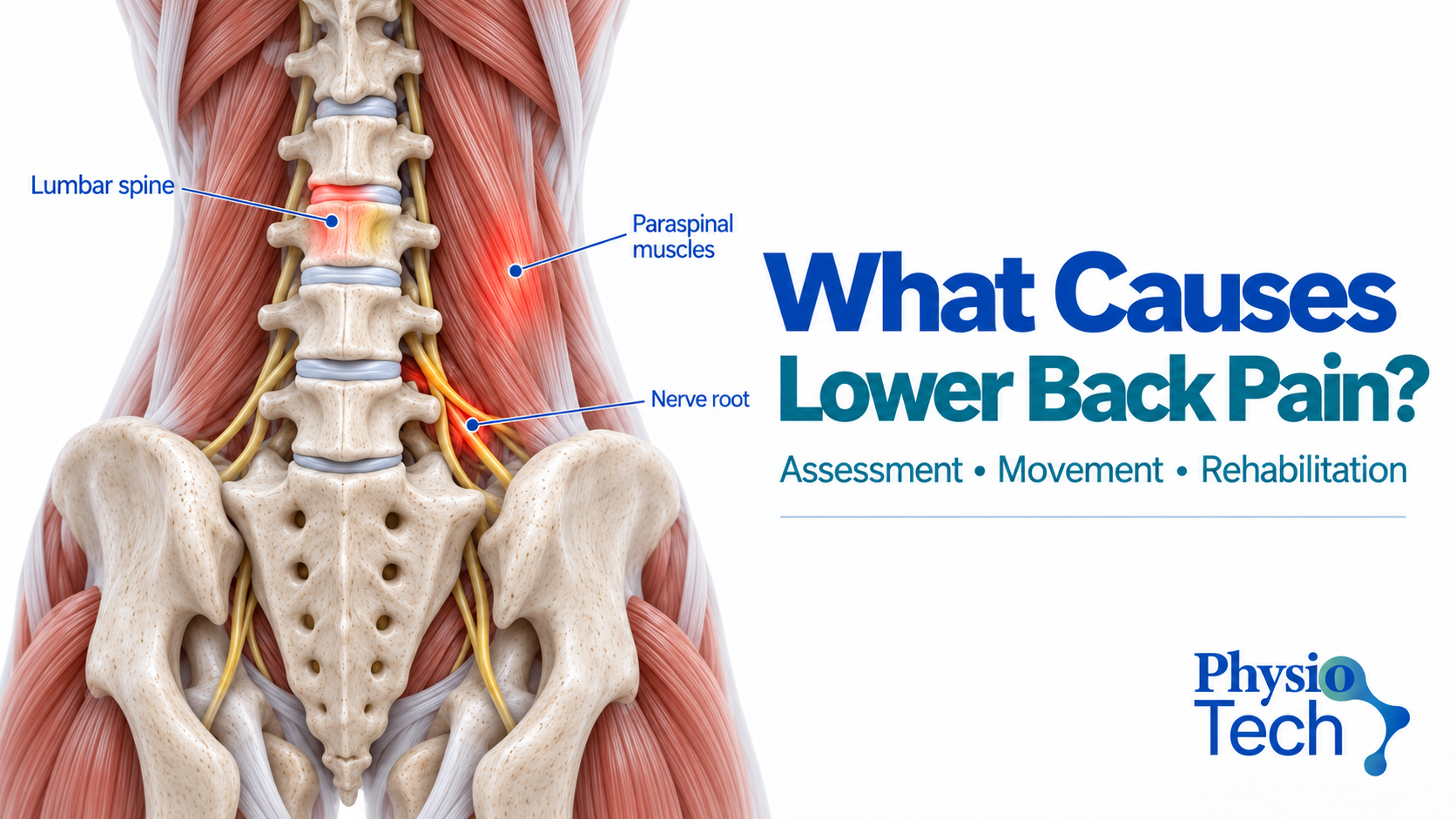
يمكن أن يرتبط عرق النسا بعدة حالات تؤثر على جذور الأعصاب في الجزء السفلي من العمود الفقري.
ومن الأسباب المحتملة:
- الانزلاق الغضروفي (Herniated Disc)
- التغيرات التنكسية في العمود الفقري
- ضيق القناة الشوكية في بعض الحالات
- بعض التغيرات التي تؤثر على جذور الأعصاب القطنية
ولكن وجود تغير في الغضروف أو العمود الفقري في الـMRI لا يعني بالضرورة أنه سبب الألم.
فقد تظهر بعض التغيرات في الأشعة لدى أشخاص لا يعانون من أعراض.
لذلك يجب تفسير نتائج الأشعة مع الأعراض والفحص السريري، وليس الاعتماد على تقرير الأشعة وحده.
ولا توصي NICE بإجراء التصوير بشكل روتيني لكل شخص يعاني من ألم أسفل الظهر أو عرق النسا في بيئات الرعاية غير المتخصصة؛ ويُنظر في التصوير عندما تكون النتيجة متوقعة أن تغيّر خطة العلاج.
ما أعراض عرق النسا؟
قد تختلف الأعراض من شخص لآخر، لكن أكثر الأعراض شيوعًا تشمل:
1. ألم يمتد إلى الساق
قد يبدأ الألم في أسفل الظهر أو الأرداف ثم يمتد إلى الفخذ أو الساق أو القدم.
2. التنميل أو الوخز
قد يشعر المريض بتغير في الإحساس في جزء من الساق أو القدم.
3. ضعف العضلات
في بعض الحالات، قد يؤدي تأثر جذور الأعصاب إلى ضعف في مجموعات عضلية معينة.
4. تغير الأعراض مع الحركة أو الوضعيات
قد تتأثر الأعراض أثناء:
- الجلوس لفترات طويلة
- الانحناء
- المشي
- الكحة أو العطس
- بعض الحركات أو الوضعيات
لكن الأعراض وحدها لا تكفي دائمًا لتحديد السبب، ولذلك يكون الفحص السريري جزءًا مهمًا من عملية التشخيص والتقييم.
هل كل ألم في الرجل يعني عرق النسا؟
لا.
وهذه نقطة مهمة جدًا.
يمكن أن ينتشر الألم إلى الساق نتيجة ألم مُحال من أسفل الظهر أو بعض الأنسجة العضلية الهيكلية، دون أن يكون هناك بالضرورة تأثر حقيقي لجذر عصبي.
ولهذا لا يعتمد التقييم على مكان الألم فقط.
قد يشمل التقييم:
- طبيعة الألم وتوزيعه
- الإحساس
- قوة العضلات
- المنعكسات العصبية عند الحاجة
- حركة العمود الفقري والأطراف
- القدرة على أداء الأنشطة اليومية
- استجابة الأعراض للحركة والوضعيات المختلفة
الهدف هو فهم الصورة الكاملة للحالة بدلًا من الاعتماد على اسم التشخيص وحده.
متى تحتاج إلى Physiotherapy لعرق النسا؟
قد يكون من المفيد إجراء تقييم لدى متخصص في العلاج الطبيعي إذا كانت الأعراض تؤثر على:
- المشي
- الجلوس
- النوم
- العمل
- التمارين
- الرياضة
- الأنشطة اليومية
ويهدف التقييم إلى معرفة طبيعة الأعراض، وتأثيرها على الحركة والوظيفة، وما إذا كانت الحالة مناسبة لإعادة التأهيل أم تحتاج إلى تقييم طبي إضافي.
في PhysioTech، تبدأ رحلة العلاج بتقييم شامل للحالة، ثم يتم وضع خطة علاجية مخصصة وفقًا لاحتياجات المريض وأهدافه واستجابته للعلاج.
PhysioTech Catalogue.pdf
كيف يتم علاج عرق النسا؟
علاج عرق النسا لا ينبغي أن يركز فقط على التخلص من الألم بصورة مؤقتة.
الهدف الأوسع هو مساعدة المريض على فهم حالته، والحفاظ على مستوى مناسب من النشاط، واستعادة الحركة والقدرة الوظيفية، والعودة تدريجيًا إلى الأنشطة الطبيعية.
وتوصي NICE بتقديم المعلومات والإرشادات التي تساعد المريض على إدارة حالته بنفسه والاستمرار في الأنشطة الطبيعية قدر الإمكان.
1. التمارين العلاجية
يمكن أن تكون التمارين جزءًا أساسيًا من برنامج إعادة التأهيل.
لكن لا يوجد تمرين واحد مناسب لكل حالات عرق النسا.
يتم اختيار التمارين وفقًا لعوامل مثل:
- طبيعة الأعراض
- درجة تهيج الحالة
- القوة العضلية
- مدى الحركة
- مستوى النشاط
- القيود الوظيفية
- أهداف المريض
- استجابة الحالة للتمرين
والهدف هو التدرج في استعادة الحركة والقوة والثقة والقدرة على أداء الأنشطة.
وتوصي NICE بالنظر في برامج التمارين وفقًا لاحتياجات الشخص وقدراته وتفضيلاته.
2. العلاج اليدوي Manual Therapy
يمكن استخدام Manual Therapy في بعض الحالات كجزء من برنامج إعادة التأهيل.
وقد يتضمن ذلك، حسب تقييم الحالة:
- Mobilization
- Manipulation
- Soft-tissue techniques
لكن العلاج اليدوي لا ينبغي تقديمه باعتباره علاجًا منفردًا أو حلًا سحريًا لعرق النسا.
وتوصي NICE بالنظر في استخدام manual therapy لآلام أسفل الظهر مع أو بدون عرق النسا كجزء من برنامج علاجي يشمل التمارين.
وهذا يتوافق مع فلسفة PhysioTech التي تركز على دمج العلاج اليدوي المناسب مع إعادة التأهيل النشط بدلًا من الاعتماد على الجلسات السلبية فقط.
PhysioTech Catalogue.pdf
3. التثقيف والإدارة الذاتية
فهم المريض لحالته جزء مهم من رحلة العلاج.
وقد يشمل ذلك معرفة:
- كيفية التعامل مع الأعراض
- كيفية الحفاظ على النشاط المناسب
- الأنشطة التي قد تزيد الأعراض
- كيفية تعديل النشاط مؤقتًا عند الحاجة
- كيفية العودة التدريجية للحركة والأنشطة الطبيعية
الهدف ليس جعل المريض يخاف من الحركة، وإنما مساعدته على استعادة الثقة في جسمه وحركته بشكل تدريجي.
هل الراحة في السرير هي أفضل علاج لعرق النسا؟
في معظم الحالات، الراحة الطويلة في السرير ليست الهدف من العلاج.
الأفضل عادةً هو الحفاظ على مستوى مناسب من النشاط، مع تعديل بعض الأنشطة التي تؤدي إلى زيادة واضحة في الأعراض عند الحاجة.
وهذا يختلف تمامًا عن تجنب الحركة أو البقاء في السرير لفترات طويلة.
وتوصي NICE بتشجيع الأشخاص الذين يعانون من آلام أسفل الظهر أو عرق النسا على الاستمرار في الأنشطة الطبيعية قدر الإمكان.
هل تحتاج إلى MRI إذا كنت تعاني من عرق النسا؟
ليس بالضرورة.
وجود أعراض عرق النسا لا يعني تلقائيًا أنك تحتاج إلى MRI.
قد يكون التصوير مناسبًا في بعض الحالات، خصوصًا عندما:
- يكون التشخيص غير واضح
- توجد علامات سريرية تستدعي مزيدًا من التقييم
- لا تتحسن الأعراض بالشكل المتوقع
- تكون نتيجة التصوير قادرة على تغيير خطة العلاج
- تكون هناك حاجة إلى تقييم متخصص أو جراحي
والأهم أن يتم تفسير نتيجة الـMRI في ضوء الأعراض والفحص السريري.
فوجود Disc Bulge في الأشعة وحده لا يعني أن المريض يحتاج إلى عملية أو علاج مكثف.
هل الـTraction يعالج عرق النسا؟
يتم أحيانًا تقديم الـtraction كحل لمشاكل الغضاريف وعرق النسا.
لكن NICE لا توصي باستخدام traction لعلاج آلام أسفل الظهر مع أو بدون عرق النسا.
وهذا مثال واضح على أهمية أن يتم اختيار العلاج بناءً على clinical reasoning والأدلة العلمية وليس لمجرد أن التقنية متاحة في العيادة.
وماذا عن الأجهزة والعلاج الكهربائي؟
قد تحتوي عيادات العلاج الطبيعي الحديثة على العديد من الأجهزة والتقنيات العلاجية.
لكن وجود جهاز متطور لا يعني بالضرورة أنه مناسب لكل مريض أو لكل حالة.
وفي حالات آلام أسفل الظهر وعرق النسا، لا توصي NICE بالاستخدام الروتيني لبعض التقنيات مثل TENS وinterferential therapy وultrasound.
لذلك يجب ألا يبدأ العلاج من الجهاز.
بل يبدأ من:
Assessment → Clinical Reasoning → Individualized Treatment Plan → Rehabilitation → Reassessment
وهذا يتوافق مع فلسفة PhysioTech التي تركز على التقييم الدقيق، والخطة العلاجية الفردية، والمتابعة المستمرة.
PhysioTech Catalogue.pdf
متى يكون عرق النسا حالة طارئة؟
معظم حالات عرق النسا ليست حالات طارئة.
لكن هناك بعض الأعراض التي تستدعي تقييمًا طبيًا عاجلًا.
ومن أهمها:
- ظهور مشاكل جديدة في التحكم في البول أو البراز
- فقدان الإحساس في منطقة العجان أو Saddle Area
- ضعف شديد أو متزايد في الساق
- أعراض عصبية شديدة
- ظهور أعراض في الساقين معًا
- أو وجود علامات أخرى قد تشير إلى مشكلة خطيرة
في هذه الحالات لا ينبغي الاكتفاء ببدء جلسات العلاج الطبيعي، وإنما يجب الحصول على تقييم طبي عاجل.
هل كل مريض يعاني من عرق النسا يحتاج إلى عملية؟
لا.
الكثير من حالات عرق النسا تتحسن دون الحاجة إلى تدخل جراحي.
وقد يتم التفكير في Spinal Decompression في حالات محددة عندما لا يؤدي العلاج غير الجراحي إلى تحسن الألم أو الوظيفة، وتكون نتائج التصوير متوافقة مع أعراض عرق النسا.
لذلك فإن وجود انزلاق غضروفي في تقرير الـMRI وحده لا يعني أن الجراحة هي الحل.
فلسفة PhysioTech في التعامل مع عرق النسا
في PhysioTech، نؤمن أن العلاج الفعال يبدأ من فهم الحالة وليس من علاج المنطقة التي يشعر فيها المريض بالألم فقط.
وتشمل رحلة العلاج:
التقييم الإكلينيكي
فهم طبيعة الأعراض والحركة والقيود الوظيفية.
Clinical Reasoning
تحليل العوامل التي قد تكون مرتبطة بظهور الأعراض واستمرارها.
خطة علاجية مخصصة
اختيار البرنامج المناسب وفقًا لحالة المريض وأهدافه.
إعادة التأهيل النشط
استخدام التمارين والتدرج في النشاط لاستعادة الوظيفة.
إعادة التقييم والمتابعة
مراقبة الاستجابة للعلاج وتعديل الخطة عند الحاجة.
وهذا يتماشى مع فلسفة PhysioTech الموضحة في الكتالوج: التقييم الدقيق، العلاج الفردي، والمتابعة المستمرة.
PhysioTech Catalogue.pdf
الأسئلة الشائعة عن عرق النسا
هل يمكن أن يختفي عرق النسا من تلقاء نفسه؟
نعم، يمكن أن تتحسن العديد من حالات عرق النسا مع الوقت، خصوصًا في حالة عدم وجود علامات عصبية خطيرة. ويعتمد التعامل مع الحالة على شدة الأعراض وتأثيرها على الوظيفة وكيفية تطورها مع الوقت.
هل الانزلاق الغضروفي هو السبب الوحيد لعرق النسا؟
لا. الانزلاق الغضروفي أحد الأسباب المحتملة، ولكن توجد حالات أخرى يمكن أن تؤثر على جذور الأعصاب في أسفل الظهر.
هل العلاج الطبيعي مفيد لعرق النسا؟
يمكن أن يكون العلاج الطبيعي جزءًا مهمًا من إعادة التأهيل، خصوصًا عندما يعتمد على تقييم مناسب ويتضمن التثقيف والتمارين والعودة التدريجية للنشاط. ويمكن استخدام العلاج اليدوي كجزء من برنامج علاجي أوسع يشمل التمارين.
هل أحتاج إلى MRI إذا كان لدي عرق النسا؟
ليس بالضرورة. لا يُنصح بإجراء التصوير بشكل روتيني لكل حالة، ويُنظر في التصوير عندما يكون من المتوقع أن يغير نتيجة الفحص خطة العلاج أو عندما تكون هناك حاجة إلى تقييم متخصص.
هل الـTraction مفيد لعرق النسا؟
لا توصي NICE باستخدام traction لعلاج آلام أسفل الظهر مع أو بدون عرق النسا.
متى أحتاج إلى مساعدة طبية عاجلة؟
إذا ظهر ضعف شديد أو متزايد، أو فقدان الإحساس في منطقة العجان، أو مشاكل جديدة في التحكم في البول أو البراز، أو أعراض عصبية شديدة، فيجب طلب تقييم طبي عاجل.
اقرأ المقال بالإنجليزية
Sciatica: Causes, Symptoms, Treatment & When to See a Physiotherapist
Sciatica is a common condition that can cause pain travelling from the lower back or buttock into the leg. Depending on the affected nerve root, symptoms may also include tingling, numbness or weakness.
However, not every type of leg pain is sciatica, and not every person with a herniated disc has symptoms.
Understanding the difference is important because effective treatment should begin with an accurate clinical assessment rather than simply treating the location where the pain is felt.
What Is Sciatica?
Sciatica describes symptoms associated with irritation or compression of one or more of the nerve roots that contribute to the sciatic nerve.
The pain may travel from the lower back or buttock down the leg and, in some cases, may be accompanied by:
- Numbness
- Tingling
- Burning or electric-like pain
- Muscle weakness
- Changes in movement or function
The exact pattern depends on which nerve root is affected and how significantly it is involved.
This is why a proper assessment is important before deciding what treatment is appropriate.
What Causes Sciatica?
Several conditions can contribute to sciatica.
One of the most common is a herniated disc, where disc material can irritate or compress a nerve root.
Other possible contributors include:
- Age-related changes in the spine
- Spinal stenosis
- Degenerative changes
- Conditions affecting the lumbar nerve roots
But there is an important point to remember:
An abnormal MRI does not automatically mean that it is the cause of your pain.
Disc bulges and other spinal changes can be present in people who have no symptoms.
For this reason, imaging findings should be interpreted alongside the person’s symptoms and clinical examination.
NICE does not recommend routine imaging for people with low back pain or sciatica in non-specialist settings. Imaging may be considered when the result is likely to change management.
What Are the Symptoms of Sciatica?
Sciatica can present differently from one person to another.
Common symptoms include:
1. Radiating leg pain
Pain may travel from the lower back or buttock into the thigh, calf or foot.
2. Numbness or tingling
Some people experience altered sensation along part of the leg or foot.
3. Muscle weakness
Some nerve-root problems can affect the strength of specific muscle groups.
4. Symptoms affected by movement or position
Symptoms may change with:
- Sitting
- Bending
- Walking
- Coughing or sneezing
- Certain spinal or hip movements
The pattern of symptoms is important, but it should not be used alone to determine the diagnosis.
Is Every Leg Pain Sciatica?
No.
This is an important distinction.
Some people experience pain in the leg that is referred from the lower back or other musculoskeletal structures without having true nerve-root involvement.
This is why physiotherapists assess more than just the location of pain.
A clinical assessment may consider:
- Symptom distribution
- Sensation
- Muscle strength
- Reflexes when appropriate
- Movement
- Functional limitations
- Response to different movements and positions
The goal is to understand the patient’s presentation rather than simply attach a label to the pain.
When Should You See a Physiotherapist for Sciatica?
You may benefit from a physiotherapy assessment if your symptoms are affecting:
- Walking
- Sitting
- Sleeping
- Working
- Exercise
- Sports
- Daily activities
A physiotherapist can assess your symptoms and determine whether they are consistent with a musculoskeletal presentation that can be managed through rehabilitation or whether further medical assessment is appropriate.
At PhysioTech, our approach starts with a comprehensive assessment followed by an individualized rehabilitation plan based on the patient’s condition, functional limitations and goals.
PhysioTech Catalogue.pdf
How Is Sciatica Treated?
Treatment should not simply focus on temporarily reducing pain.
The broader goal is to help the patient understand the condition, remain appropriately active, restore movement and gradually return to normal function.
NICE recommends providing information and advice that supports self-management and encourages people to continue normal activities as much as possible.
1. Exercise Therapy
Exercise can be an important component of rehabilitation for people with low back pain and sciatica.
However, there is no single exercise that is best for every person with sciatica.
The programme should be selected according to factors such as:
- Current symptoms
- Irritability
- Strength
- Mobility
- Functional limitations
- Activity level
- Individual goals
- Response to exercise
The aim is usually to gradually improve movement, strength, confidence and functional capacity.
NICE recommends considering exercise programmes according to the person’s needs, capabilities and preferences.
2. Manual Therapy
Manual therapy can sometimes be included as part of a rehabilitation programme.
Depending on the clinical presentation, this may include techniques such as:
- Mobilisation
- Manipulation
- Soft-tissue techniques
However, manual therapy should not be presented as a standalone cure for sciatica.
NICE recommends considering manual therapy for low back pain with or without sciatica only as part of a treatment package that includes exercise.
This fits the PhysioTech approach of combining appropriate hands-on treatment with active rehabilitation rather than relying exclusively on passive treatment.
PhysioTech Catalogue.pdf
3. Education and Self-Management
Understanding your condition can be an important part of recovery.
Your rehabilitation may include advice about:
- Staying appropriately active
- Managing activities that aggravate symptoms
- Gradually increasing physical activity
- Understanding symptom behaviour
- Returning to normal activities
The goal is not to make patients afraid of movement.
Instead, rehabilitation should help patients gradually regain confidence in movement and physical activity.
Should You Stay in Bed With Sciatica?
Usually, prolonged bed rest is not the goal of treatment.
For most people, remaining appropriately active is preferable to avoiding movement completely.
You may need to temporarily modify activities that significantly aggravate your symptoms, but this is different from prolonged inactivity.
NICE recommends encouraging people with low back pain or sciatica to continue normal activities as much as possible.
Do You Need an MRI for Sciatica?
Not necessarily.
Having symptoms of sciatica does not automatically mean that you need an MRI.
Imaging may be appropriate in selected situations, particularly when:
- The diagnosis is unclear
- There are concerning clinical findings
- Symptoms are not improving as expected
- Imaging is likely to change management
- Specialist or surgical assessment is being considered
The important point is that MRI findings should be interpreted in the context of the clinical presentation.
A disc bulge on an MRI does not automatically mean that surgery or aggressive treatment is required.
Does Traction Treat Sciatica?
Traction is sometimes promoted as a treatment for disc problems and sciatica.
However, NICE does not recommend traction for managing low back pain with or without sciatica.
This is an important example of why treatment should be selected based on clinical reasoning and evidence rather than simply choosing a technique because it is available.
What About Electrotherapy and Other Devices?
Modern physiotherapy clinics may use a variety of therapeutic technologies.
However, the presence of advanced equipment does not mean that every device is appropriate for every patient.
For low back pain and sciatica, NICE does not recommend routine use of treatments such as TENS, interferential therapy or ultrasound.
At PhysioTech, the treatment plan should therefore start with:
Assessment → Clinical Reasoning → Individualized Plan → Rehabilitation → Reassessment
rather than starting with a specific machine or treatment modality.
This reflects the clinic’s stated philosophy of assessment-based, individualized treatment and continuous follow-up.
PhysioTech Catalogue.pdf
When Is Sciatica an Emergency?
Most cases of sciatica are not medical emergencies.
However, certain symptoms require urgent medical assessment.
Seek urgent medical attention if you develop symptoms such as:
- New problems controlling your bladder or bowel
- Numbness around the genital or saddle area
- Significant or rapidly worsening weakness
- Severe neurological symptoms
- Symptoms affecting both legs
- Other signs suggesting a serious underlying condition
These symptoms can indicate a more serious neurological problem and should not be managed simply by continuing routine physiotherapy.
Does Sciatica Always Require Surgery?
No.
Many people with sciatica improve without surgery.
Surgical treatment may be considered in selected patients when non-surgical treatment has not improved pain or function and imaging findings are consistent with the person’s sciatic symptoms.
The presence of a herniated disc on an MRI alone is therefore not an automatic indication for surgery.
The PhysioTech Approach to Sciatica
At PhysioTech, we believe that effective physiotherapy begins with understanding the patient rather than simply treating the painful area.
Our approach includes:
Clinical Assessment
Understanding the patient’s symptoms, movement and functional limitations.
Clinical Reasoning
Identifying the factors that may be contributing to the patient’s presentation.
Individualized Rehabilitation
Developing a treatment plan based on the patient’s condition and goals.
Active Recovery
Using exercise and progressive rehabilitation to restore function.
Continuous Reassessment
Monitoring the patient’s response and modifying the plan when necessary.
This reflects the broader PhysioTech philosophy described in the clinic catalogue: precise assessment, individualized treatment and continuous follow-up.
PhysioTech Catalogue.pdf
Frequently Asked Questions
Can sciatica go away on its own?
Many cases improve over time, particularly when there are no serious neurological findings. The appropriate management depends on symptom severity, function and how symptoms change over time.
Is a herniated disc always the cause of sciatica?
No. A herniated disc is one possible cause, but other conditions can affect the lumbar nerve roots.
Is physiotherapy effective for sciatica?
Physiotherapy can be an important part of rehabilitation, particularly when it includes appropriate assessment, education, exercise and progressive return to activity. Manual therapy may be used as part of a broader exercise-based programme.
Do I need an MRI if I have sciatica?
Not necessarily. Routine imaging is not recommended for everyone with low back pain or sciatica. Imaging is considered when it is likely to change management or when specialist assessment is required.
Is traction good for sciatica?
NICE does not recommend traction for low back pain with or without sciatica.
When should I seek urgent medical help?
Seek urgent medical assessment if you develop new bladder or bowel problems, saddle-area numbness, significant or worsening weakness, or other severe neurological symptoms.