التواء الكاحل - ويُسمى بالإنجليزية Ankle Sprain - هو إصابة في الأربطة تحدث عندما يتحرك الكاحل خارج مداه الطبيعي. أغلب الإصابات تصيب الأربطة الخارجية، وقد تتحسن الحالات البسيطة سريعًا، لكن التقييم غير الدقيق أو العودة المبكرة للرياضة قد يؤديان إلى تكرار الالتواء وعدم ثبات الكاحل.
في هذا الدليل نوضح أعراض التواء الكاحل، درجات الإصابة، مدة شفاء التواء الكاحل من الدرجة الثانية، دور العلاج الطبيعي، ومتى قد يحتاج المصاب إلى أشعة أو تقييم طبي عاجل.
ما هو التواء الكاحل؟
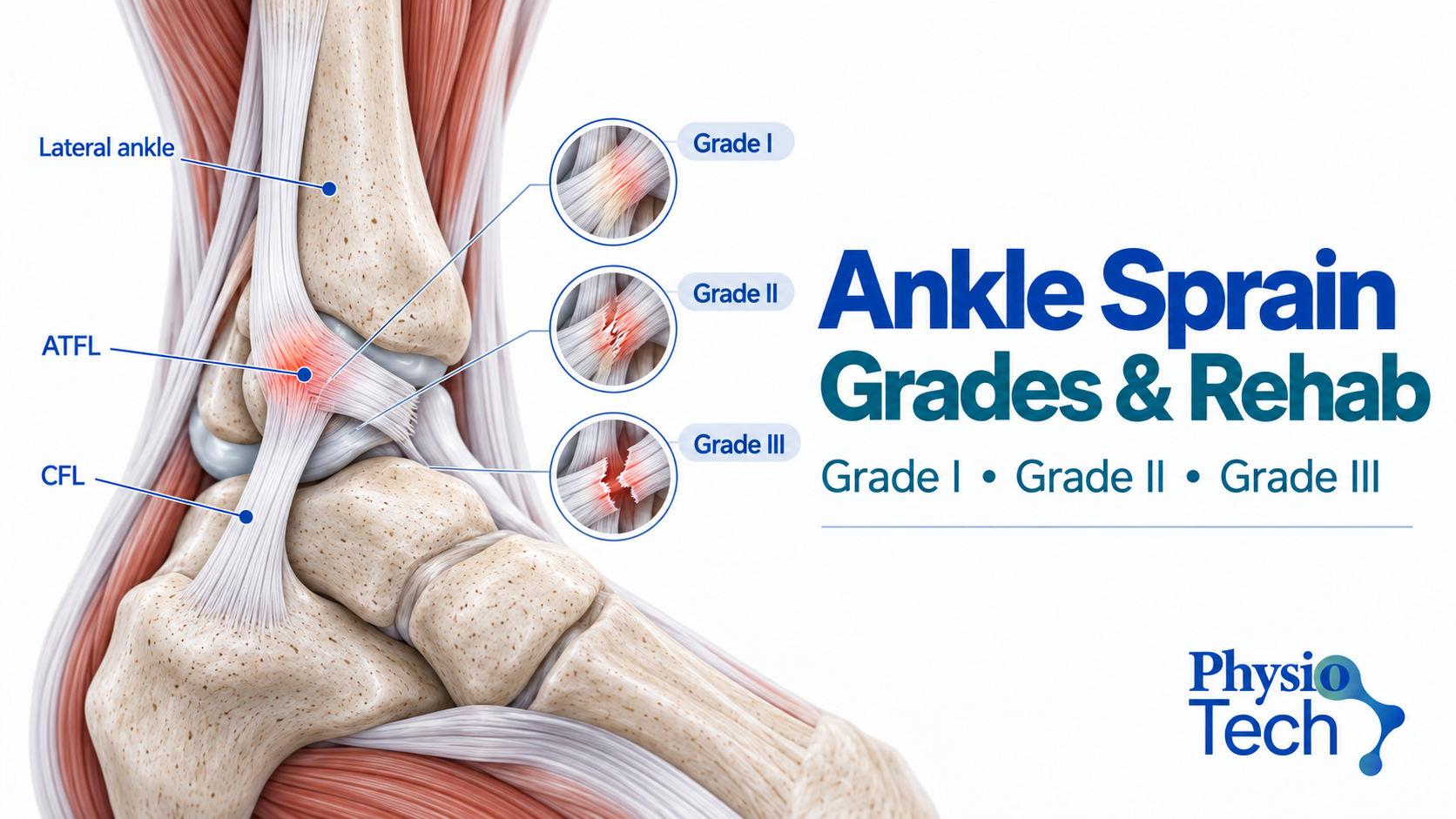
يحدث التواء الكاحل عند تمدد رباط واحد أو أكثر أو حدوث تمزق جزئي أو كامل فيه. وأكثر آلية شائعة هي التفاف القدم إلى الداخل، ما يضع ضغطًا على مجموعة الأربطة الجانبية الخارجية. وهناك إصابة مختلفة تُعرف باسم High Ankle Sprain أو إصابة الـSyndesmosis، وتصيب الأربطة الموجودة بين عظمتي الساق أعلى مفصل الكاحل.
الفرق بين Lateral Ankle Sprain وHigh Ankle Sprain
التواء الكاحل الخارجي
يتركز الألم والتورم عادةً حول الجانب الخارجي للكاحل. ويحدث كثيرًا أثناء كرة القدم أو كرة السلة أو الجري أو الهبوط الخاطئ أو المشي على أرض غير مستوية.
High Ankle Sprain
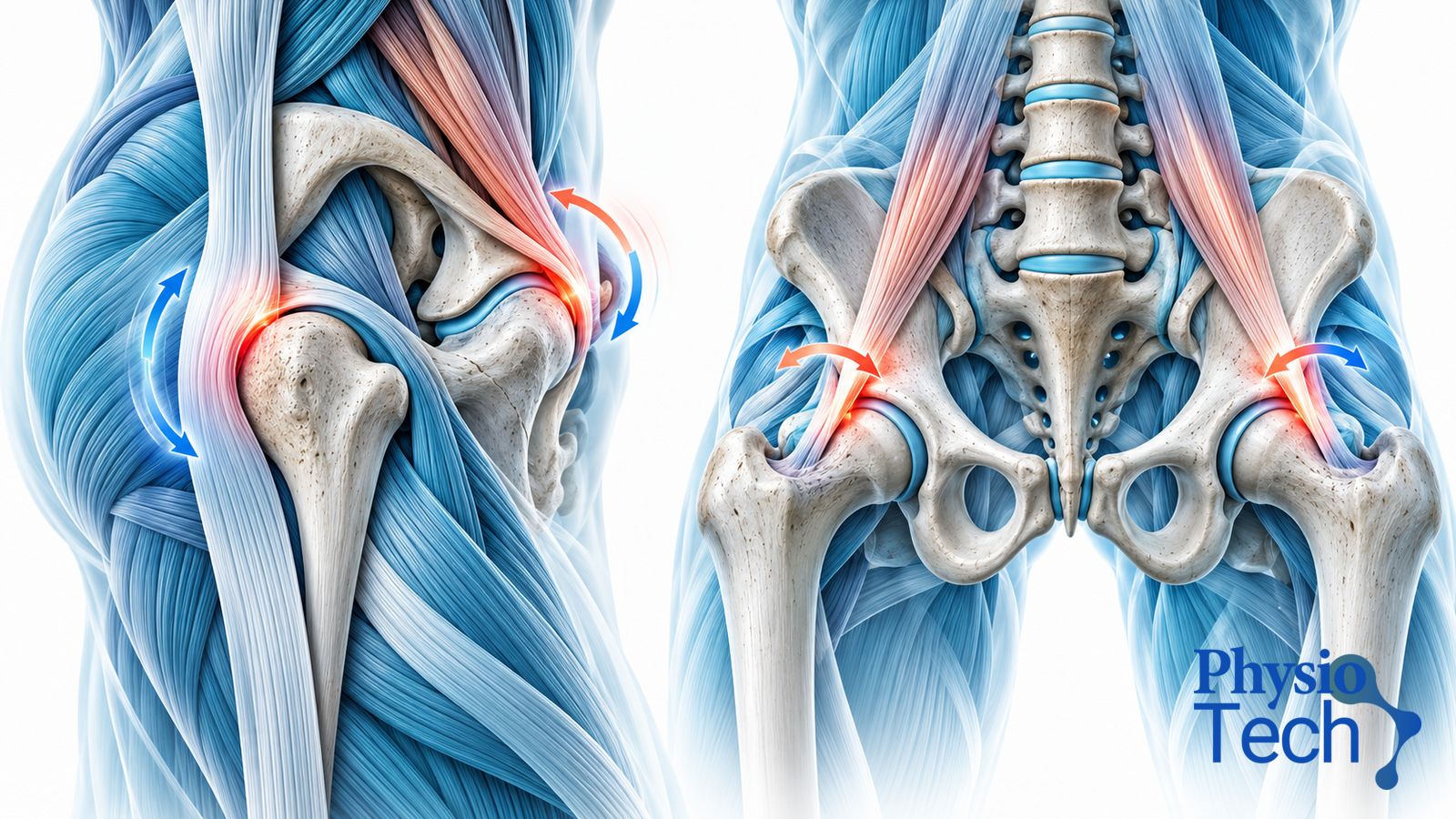
يظهر الألم غالبًا أعلى مفصل الكاحل، وقد يزيد عند دوران الساق أو دفع القدم للأرض أثناء المشي. إصابة الـSyndesmosis تحتاج إلى فحص مختلف، وقد يستغرق التعافي منها وقتًا أطول من الالتواء الخارجي المعتاد.
أعراض التواء الكاحل
• ألم بعد التفاف القدم أو الإصابة
• تورم أو كدمات حول الكاحل
• ألم عند لمس منطقة الأربطة
• صعوبة تحميل الوزن أو المشي بصورة طبيعية
• نقص مدى حركة الكاحل
• الشعور بأن الكاحل غير ثابت أو أنه قد يخون المريض أثناء الحركة
درجات التواء الكاحل
الدرجة الأولى Grade I
إصابة بسيطة في ألياف الرباط مع تورم وألم محدودين. يستطيع المصاب المشي غالبًا، لكن مع بعض الانزعاج.
الدرجة الثانية Grade II
تمزق جزئي في الرباط يصاحبه ألم وتورم وكدمات أوضح، مع صعوبة أكبر في تحميل الوزن. يحتاج المريض عادةً إلى برنامج تأهيل لاستعادة الحركة والقوة والتوازن.
الدرجة الثالثة Grade III
تمزق شديد أو كامل مع تورم ملحوظ وعدم ثبات وفقدان أكبر للوظيفة. تحتاج هذه الدرجة إلى تقييم إكلينيكي شامل لتحديد الحاجة إلى الحماية أو الأشعة أو الإحالة إلى طبيب متخصص.
هل التواء الكاحل يحتاج إلى أشعة؟
ليس كل التواء في الكاحل يحتاج إلى أشعة. لكن يجب استبعاد وجود كسر عند وجود ألم عظمي واضح، تشوه في شكل المفصل، جرح مفتوح، تنميل أو تغير في الإحساس، أو عدم القدرة على المشي أربع خطوات بعد الإصابة. يستخدم المختصون قواعد Ottawa Ankle Rules للمساعدة في تحديد الحاجة إلى الأشعة، ولا يُنصح أن يستخدمها المريض للتشخيص الذاتي.
اطلب تقييمًا طبيًا عاجلًا إذا أصبحت القدم باردة أو شاحبة، أو تغير الإحساس فيها، أو كان الألم شديدًا ويتزايد بسرعة، أو وُجد اشتباه في كسر أو خلع.
ماذا تفعل في الأيام الأولى بعد الإصابة؟
• حماية الكاحل: تجنب الحركات التي ترفع الألم بوضوح، من غير افتراض أن الراحة الكاملة هي الحل لكل الحالات.
• الضغط والرفع: قد يساعدان في التحكم في التورم وتحسين الراحة.
• التحميل التدريجي: تتم زيادة المشي وتحميل الوزن وفق الأعراض ونتائج الفحص.
• تقليل الألم: يمكن استخدام الثلج لفترات قصيرة إذا كان يخفف الألم. أما الأدوية فيجب مناقشتها مع الطبيب أو الصيدلي، خاصةً مع وجود أمراض أخرى.
• التقييم المبكر: يجب فحص آلية الإصابة، والقدرة على المشي، ومكان الألم، واحتمال وجود كسر أو إصابة في الـSyndesmosis.
علاج التواء الكاحل بالعلاج الطبيعي
العلاج الطبيعي لا يهدف فقط إلى تقليل الألم والتورم؛ الهدف الأساسي هو استعادة حركة الكاحل وقوته وتوازنه وقدرته على تحمل متطلبات الحياة اليومية أو الرياضة.
قد تتضمن خطة التأهيل:
• التثقيف وتنظيم التحميل والحركة بصورة آمنة
• تمارين استعادة مدى الحركة وخصوصًا Dorsiflexion
• تقوية عضلات السمانة والكاحل والقدم تدريجيًا
• تمارين التوازن والإحساس العميق والتحكم العصبي العضلي
• Manual Therapy عند وجود تيبس أو نقص في حركة المفصل
• Kinesio Taping أو دعامة للكاحل عندما تكون مناسبة للحالة
• تدريبات الجري والهبوط وتغيير الاتجاه حسب نوع النشاط
• اختبارات وظيفية قبل العودة إلى الرياضة
قد تُستخدم وسائل مثل Electrotherapy أو Therapeutic Ultrasound كوسائل مساعدة في حالات محددة بعد التقييم، لكنها لا تستبدل التمارين العلاجية والتحميل التدريجي وتدريبات التوازن.
كم تستغرق مدة شفاء التواء الكاحل من الدرجة الثانية؟
غالبًا يحتاج التواء الكاحل من الدرجة الثانية إلى عدة أسابيع، لكن لا توجد مدة واحدة تنطبق على الجميع. قد يتحسن المشي قبل أن يصبح الكاحل مستعدًا للجري أو القفز أو تغيير الاتجاه. وتعتمد المدة على الرباط المصاب، ودرجة التورم والألم، ومدى الحركة، والقوة، ووجود إصابات سابقة، ومتطلبات نشاط المريض.
• الدرجة الأولى: قد تتحسن الوظائف اليومية خلال أسبوع إلى أسبوعين تقريبًا، بينما قد تحتاج العودة الكاملة للنشاط وقتًا أطول.
• الدرجة الثانية: غالبًا تحتاج من 3 إلى 6 أسابيع أو أكثر، وقد تحتاج العودة للرياضة إلى فترة تأهيل إضافية.
• الدرجة الثالثة أو High Ankle Sprain: قد يستغرق التعافي من 8 إلى 12 أسبوعًا أو أكثر، مع إعادة تقييم منتظمة.
مرور الوقت وحده لا يعني أن الكاحل أصبح جاهزًا للرياضة؛ القدرة الوظيفية أهم من عدد الأسابيع.
متى يمكن العودة إلى الرياضة؟
يُفضّل أن تعتمد العودة على معايير إكلينيكية ووظيفية، مثل:
• ألم بسيط أو غير موجود وعدم زيادة التورم بعد النشاط
• استعادة مدى حركة الكاحل
• استعادة قوة عضلات السمانة والكاحل والقدم
• التحكم الجيد أثناء الوقوف على قدم واحدة
• القدرة على القفز والهبوط والجري وتغيير الاتجاه حسب متطلبات الرياضة
• شعور المريض بالثقة من غير تكرار الإحساس بأن الكاحل يخونه
لماذا يتكرر التواء الكاحل؟
تكرار الإصابة لا ينتج دائمًا عن ضعف الرباط فقط. قد تساهم قلة الـDorsiflexion، وضعف التوازن، ونقص التحكم العصبي العضلي، وعدم استعادة القوة كاملة، والعودة المبكرة للنشاط. وتوضح الأدلة أن برامج التمارين والتوازن تقلل احتمال تكرار الالتواء.
متى تحتاج إلى أخصائي علاج طبيعي؟
احجز تقييمًا إذا كان الألم أو التورم يحد من المشي، أو لم تتحسن الأعراض، أو تكرر الإحساس بعدم الثبات، أو سبق أن تعرضت لعدة التواءات، أو كنت تريد العودة الآمنة للرياضة. كما يصبح التقييم مهمًا عند الشك في High Ankle Sprain أو عدم وضوح التشخيص.
علاج التواء الكاحل في PhysioTech
في عيادة PhysioTech في زهراء المعادي بالقاهرة، يبدأ برنامج تأهيل الكاحل بتقييم فردي للحركة والتورم والقوة والتوازن والتحكم الوظيفي. وبعد ذلك نضع خطة متدرجة للعودة إلى المشي والنشاط اليومي والرياضة وفق احتياجات كل حالة.
تعرف على خدمة علاج إصابات الملاعب والتأهيل الرياضي أو احجز تقييمك في عيادة فيزيوتك.
المراجع العلمية
• Martin RL وآخرون: الدليل الإكلينيكي لإصابات الأربطة الجانبية للكاحل، JOSPT 2021.
• Dubois B وEsculier JF: مبدأ PEACE and LOVE لإصابات الأنسجة الرخوة، BJSM 2020.
• Ottawa Ankle Rules للمساعدة في تحديد الحاجة إلى الأشعة.
• مراجعة منهجية عن التأهيل القائم على التمارين وتقليل تكرار التواء الكاحل، 2022.