Share:
64 views
#دكتور أحمد عاطف #علاج طبيعي المعادي #إصابات الملاعب #PhysioTech #Ahmed Atef
Who Is Dr. Ahmed Atef?
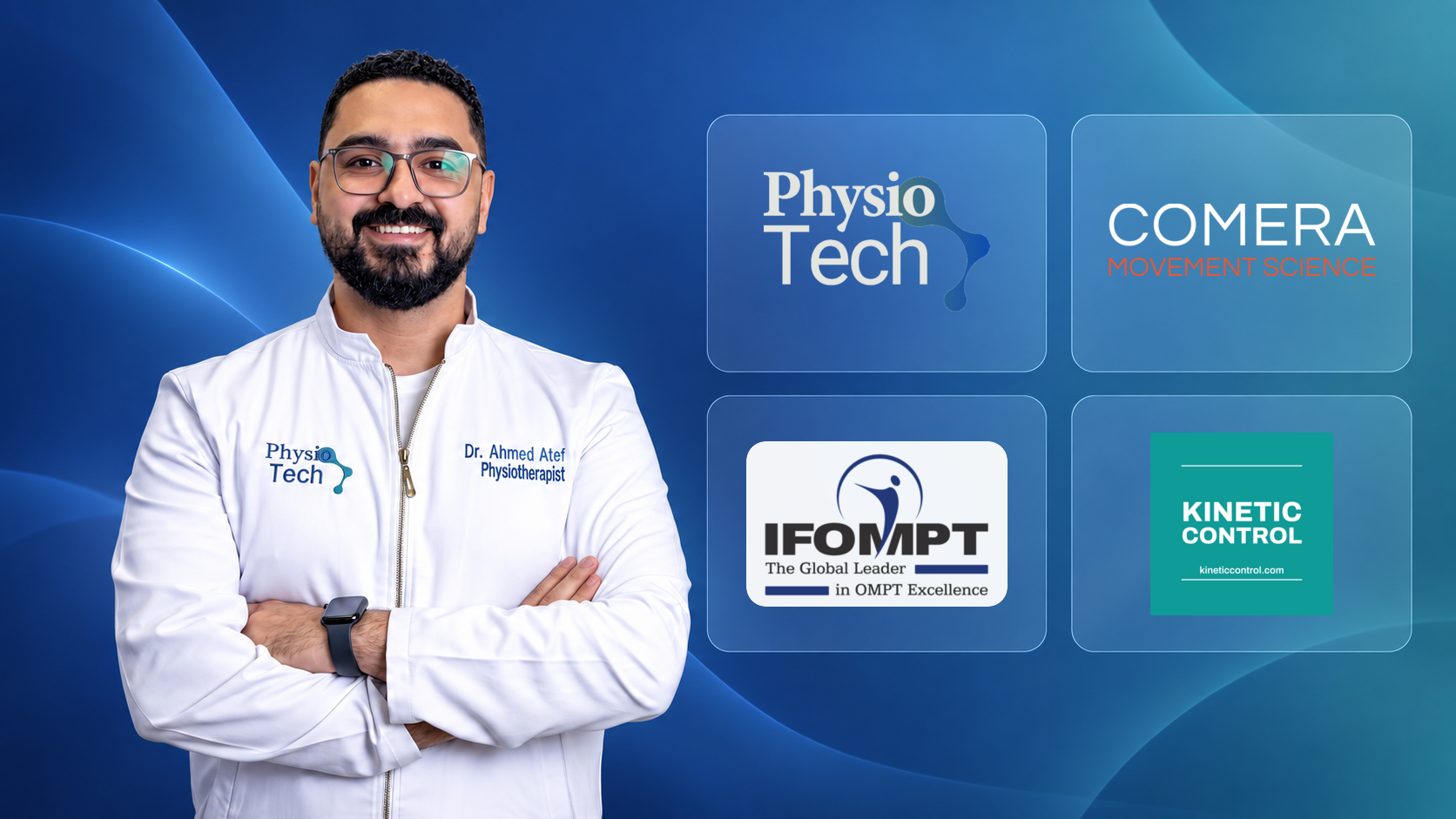
Dr. Ahmed Atef is a physiotherapist and the founder of PhysioTech in Zahraa El Maadi, Cairo. His work is centred on musculoskeletal conditions involving muscles, joints, tendons, ligaments, peripheral nerves and the spine.
More Than Five Years of Clinical Experience
Across more than five years of clinical practice, Dr. Ahmed Atef has assessed people with acute and persistent pain, sports injuries, movement limitations, post-injury weakness and reduced capacity for a specific activity. His approach recognises that the same diagnosis can present differently from one person to another.
Founder of PhysioTech Clinic
He founded PhysioTech to deliver a model of care built around assessment, clinical reasoning, rehabilitation and progressive loading. Findings from the examination are connected to measurable goals, and the plan is reviewed as the patient progresses.
Professional Training and Credentials
Ongoing professional development is central to Dr. Ahmed Atef’s practice. His training brings together movement analysis, manual therapy, sports rehabilitation and adjunct techniques such as dry needling.
Kinetic Control Movement Therapist
Dr. Ahmed Atef is trained and accredited through the Kinetic Control Movement Therapist (KCMT) pathway associated with Comera Movement Science. The framework uses movement assessment and clinical reasoning to identify movement-related factors that may contribute to a presentation, then guides appropriate movement retraining.
The aim is not to impose one “perfect” movement pattern. It is to understand how symptoms, strength, control, capacity and task demands interact for the individual patient.
Two Advanced Masterclasses
He has completed two advanced professional masterclasses as part of his continued clinical development. This education supports deeper reasoning in complex presentations and helps connect examination findings with practical rehabilitation decisions.
Advanced Manual Therapy Training Aligned with IFOMPT Standards
Dr. Ahmed Atef has completed advanced manual therapy education aligned with the educational standards of the International Federation of Manual and Musculoskeletal Physical Therapists (IFOMPT).
Manual therapy is used when clinically appropriate as one part of care, not as a replacement for exercise, strength and functional rehabilitation. It may help reduce sensitivity or improve movement so that active rehabilitation can progress.
British Professional Certification in Dry Needling
Dr. Ahmed Atef holds British professional certification in dry needling. When indicated after assessment, dry needling may be used as an adjunct within a broader plan rather than as a stand-alone treatment for every type of pain.
Experience in Musculoskeletal Conditions
His clinical experience covers a wide range of conditions affecting movement and function. Each presentation is assessed individually before a functional diagnosis and treatment plan are established.
Neck, Back and Spine-Related Presentations
Dr. Ahmed Atef works with neck and low-back pain, spinal stiffness, symptoms extending into an arm or leg and movement limitations linked to sitting, work or training. Assessment may include mobility, strength, sensation, response to load and relevant neurological signs.
Where there are signs of significant nerve or spinal cord involvement, progressive weakness, gait disturbance or another red flag, appropriate medical assessment takes priority over continuing routine physiotherapy without further investigation.
Shoulder, Knee and Ankle Injuries
Common presentations include rotator-cuff and shoulder tendon problems, shoulder instability, anterior knee pain, ligament and meniscal injuries, recurrent ankle sprains and tendon problems around the foot and ankle.
Management is not based on the diagnostic label alone. It also considers what the patient can currently do, what provokes symptoms and what is required for a safe return to work, running or sport.
Sports Injury Rehabilitation and Return to Sport
Sports rehabilitation addresses the full pathway: symptom management, restoration of motion, development of strength, balance and neuromuscular control, followed by graded exposure to running, jumping and change of direction when appropriate.
Return to sport is not determined only by the absence of pain. It should reflect the athlete’s capacity to tolerate the demands of the activity with adequate control, confidence and relevant functional testing.
Rehabilitation After Orthopaedic Injury or Surgery
Rehabilitation may include care after fracture fixation, ligament or tendon repair and joint surgery, guided by healing stage and the surgeon’s precautions. Exercise and loading are progressed to avoid both unnecessary delay and premature overload.
Why Does Care Begin with Assessment?
Pain in the same body region does not always have the same driver. Two people with knee pain may require very different plans because their strength, movement options, training load and daily demands are different.
Understanding the Patient’s Story
Assessment begins with the onset and behaviour of symptoms, what makes them better or worse, their effect on sleep, work and sport, and any previous injury or treatment. This information directs the physical examination and avoids a generic one-size-fits-all plan.
Movement and Functional Examination
The examination may assess range of motion, strength, movement control, balance, endurance, relevant special tests and response to specific movements or loads. For athletes, it can extend to running, jumping or change-of-direction tasks.
Functional Diagnosis and Differential Screening
Clinical reasoning brings the findings together. Is tissue capacity a key factor? Is there a meaningful loss of motion or strength? Is neural sensitivity involved? Are there features that require imaging, medical review or referral to another professional?
The PhysioTech Treatment Philosophy
At PhysioTech, progress is not measured only by a reduction in pain. The wider goal is to help the patient return to what matters with improved capacity.
Pain Relief Is a Step, Not the Finish Line
Manual therapy, therapeutic modalities or temporary activity modification may help reduce symptoms. Sustained improvement often requires restoration of strength, movement, endurance and confidence in using the body.
An Individual Plan, Not a Fixed Protocol
Exercise selection and dosage are matched to the patient’s current capacity, stage of recovery and goal. A runner preparing to return to training has different requirements from someone seeking comfortable daily movement or recovering after surgery.
Progression and Measurement
Movement, strength, function and response to load are reviewed during rehabilitation. If the expected marker is not improving, the clinical hypothesis and plan should be reconsidered rather than repeating the same session without a clear reason.
Treatment and Rehabilitation Tools
Therapeutic Exercise and Progressive Loading
Exercise is central to many rehabilitation programmes. It is used to improve strength, endurance, balance, movement control and the ability to meet the demands of daily life or sport.
Manual Therapy
Manual therapy may help reduce sensitivity or improve movement in a joint or soft tissue when appropriate. It is integrated with active movement and exercise to support a more sustainable functional outcome.
Dry Needling
Dry needling may be considered for selected muscular pain presentations or trigger-point symptoms after discussing benefits, precautions and consent. It remains an adjunct and does not replace active rehabilitation.
Education and Load Management
Understanding the condition and adjusting work, training, sleep and activity can help the patient participate in recovery and make better decisions. The goal is to avoid unnecessary fear of movement while respecting tissue capacity and the stage of healing.
What to Expect at Your First Visit
At an initial PhysioTech appointment, your symptoms and goals are discussed, relevant health history and previous injuries are reviewed, and an appropriate examination is completed. Dr. Ahmed Atef then explains the findings in clear language and whether physiotherapy is suitable or further medical assessment is advisable.
You leave the assessment with clear initial goals and next steps matched to your symptoms and current capacity, rather than beginning repeated sessions without direction or measurement.
When Should You Book an Assessment?
An assessment may be appropriate for persistent or recurring back, neck, shoulder, knee or ankle pain; a sports injury; difficulty returning to exercise; weakness after injury or surgery; or symptoms that improved temporarily but returned before rehabilitation was completed.
Seek urgent medical assessment for sudden weakness, progressive loss of sensation, a new gait disturbance, loss of bladder or bowel control, major trauma or concerning systemic symptoms.
Book an Assessment at PhysioTech in Cairo
If you are looking for a physiotherapist in Maadi or Cairo for a musculoskeletal problem, sports injury or spine-related pain, you can book an assessment with Dr. Ahmed Atef at PhysioTech Clinic in Zahraa El Maadi, Cairo.
The first step is not choosing a machine or copying an exercise online. It is an assessment that clarifies the problem, your goal and the safest route towards it.
Frequently Asked Questions
Does Dr. Ahmed Atef Treat Sports Injuries?
Yes. His experience includes assessment and rehabilitation of sports injuries, with progressive preparation for running, jumping and change of direction according to the injury and sporting demands.
Does Every Back-Pain Case Need Imaging?
No. The decision depends on the history, examination and any red flags. Many cases can be assessed clinically, while some require imaging or medical review before physiotherapy continues.
Are Manual Therapy or Dry Needling Enough on Their Own?
They are generally used as supporting tools when appropriate. A broader plan may also include exercise, progressive loading, activity modification and education to improve function rather than provide only temporary symptom relief.
Where Is PhysioTech Clinic Located?
PhysioTech Clinic is located in Zahraa El Maadi, Cairo, and provides assessment, treatment and rehabilitation for musculoskeletal conditions and sports injuries.


