Share:
3 views
#Whiplash #إصابة الرقبة المفاجئة #حادث سيارة #تأهيل الرقبة
What Is Whiplash?
After a vehicle collision or sudden movement, neck pain, headache and stiffness may appear immediately or hours later. Most presentations improve, but early screening is important to exclude serious injury and avoid fear-driven prolonged rest.
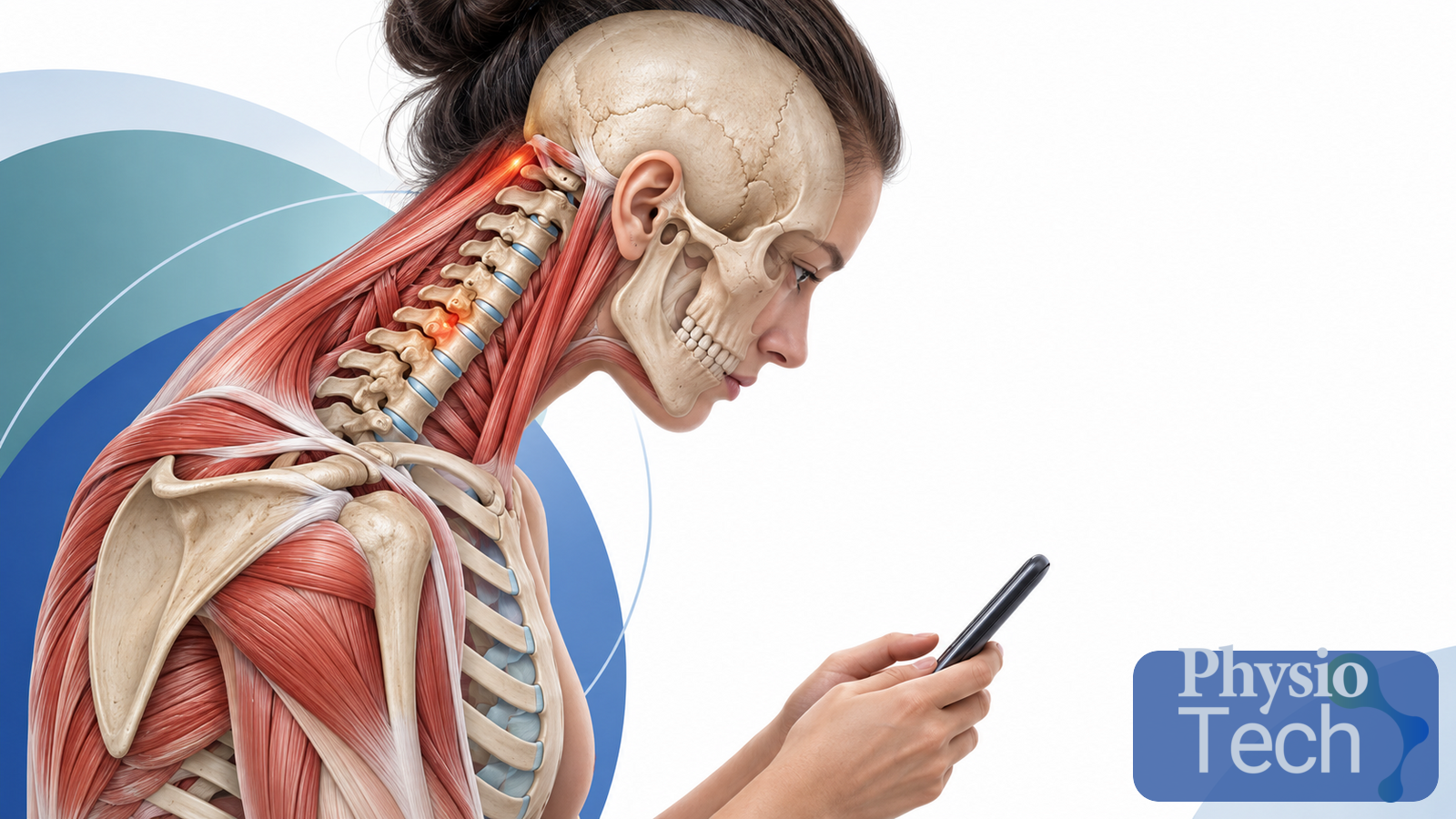
Whiplash describes rapid movement of the neck between directions, potentially stressing muscles, ligaments, joints and neural tissues to varying degrees.
Severe pain does not automatically mean dangerous damage, and normal imaging does not invalidate symptoms. Assessment determines safety and the appropriate movement stage.
Common Symptoms
• Neck pain and stiffness.
• Headache or pain around the shoulder blades.
• Dizziness or concentration difficulty in some people.
• Pain with movement, driving or sleep.
Causes and Aggravating Factors
Rear or side impact, a fall or sudden sporting movement may rapidly accelerate and decelerate the neck.
Conditions That Can Look Similar
Concussion, fracture or dislocation, major ligament injury, cervical radiculopathy and rare vascular disorders.
How PhysioTech Assesses the Condition
We review the mechanism, neurological symptoms, dizziness and headache, then assess motion, strength, neurology, balance and red flags according to irritability.
Baseline Measures
Pain, movement range, sleep, driving, screen and reading tolerance, headache and neurological symptoms.
When Imaging or Medical Referral May Be Needed
Loss of consciousness, repeated vomiting, worsening severe headache, weakness or numbness, walking difficulty, midline pain after major trauma or vascular symptoms requires urgent medical care.
Whiplash Injury Treatment and Physiotherapy
1. Settle Symptoms and Manage Load
Provide realistic reassurance and use gentle movement and tolerable daily activity while avoiding prolonged complete rest.
2. Restore Movement and Control
Restore motion gradually and add eye-head and shoulder control exercises when appropriate.
3. Build Strength and Capacity
Progress neck, shoulder and trunk capacity, then increase tolerance to driving, work and sleep positions.
4. Return to Work or Sport
Full sport or driving return depends on motion, concentration, confidence and task tolerance without a sustained flare.
The PhysioTech Treatment Philosophy in Cairo
At PhysioTech Clinic in Zahraa El Maadi, Cairo, the plan is not built on an imaging label alone. We connect symptoms with movement, strength, capacity and the activities the patient wants to regain. Clear baseline measures are recorded and retested. Manual therapy or other adjuncts may be used for a defined purpose, but they never replace therapeutic exercise, graded loading and reassessment.
Realistic reassurance, safe movement and repeated measurement are more useful than fear or routine dependence on a collar.
Red Flags That Need Prompt Medical Review
Loss of consciousness, neurological weakness, speech or swallowing difficulty, severe imbalance, thunderclap headache, unrelenting severe pain or high-energy trauma.
Frequently Asked Questions
Do I need a neck collar?
It is not routinely required for every whiplash presentation and should be used only for a defined medical indication.
Can symptoms start later?
Yes, symptoms may emerge over hours, but neurological signs or severe headache require assessment.
Is movement safe?
Gentle graded movement is commonly helpful after unstable injury has been excluded.
When Should You Book an Assessment?
After a crash or sudden neck movement, assessment determines whether rehabilitation is appropriate or urgent referral is required. You can book an individual assessment at PhysioTech Clinic in Zahraa El Maadi, Cairo, to build a plan around your presentation and goals.