Share:
88 views
#إصابة الرباط الخارجي للركبة #LCL injury #ألم خارج الركبة #تأهيل الركبة
What Is an LCL Injury?
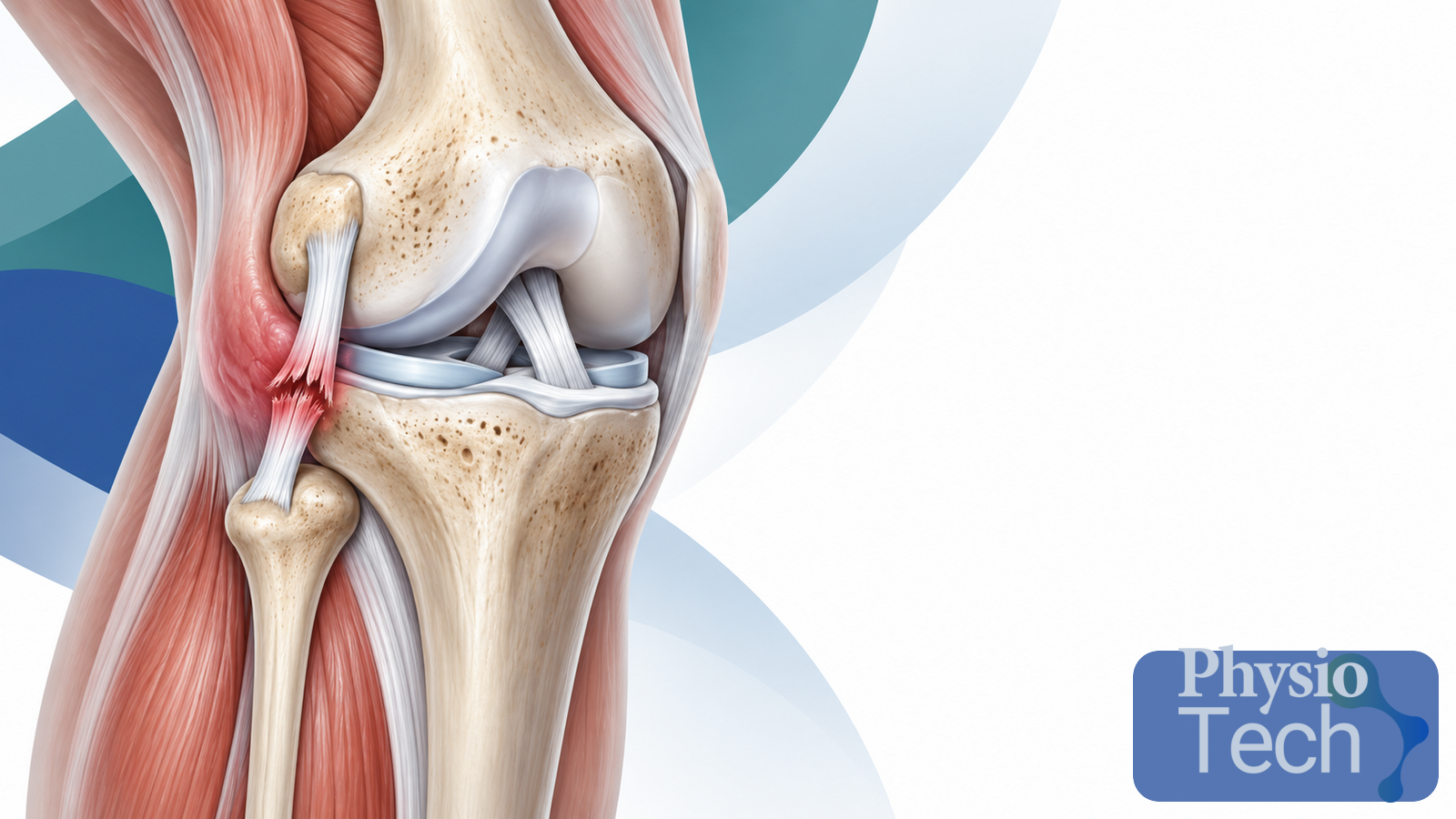
A lateral collateral ligament injury can cause outer-knee pain after a blow, twist or awkward landing. Effective treatment starts by grading the injury and screening associated ligament or meniscal damage before rebuilding stability and capacity.
The LCL runs from the lateral femur to the fibular head and resists forces that open the outer side of the knee. Injury ranges from a mild sprain to partial or complete disruption.
Not every lateral-knee symptom is an LCL injury. Peroneal structures, the iliotibial band, lateral meniscus and proximal tibiofibular joint may produce a similar pain location.
Common Symptoms
• Tenderness along the outer knee.
• Swelling or a sense of giving way after injury.
• Pain with cutting, side loading or direction change.
• Difficulty running, landing or using stairs.
Causes and Aggravating Factors
Common mechanisms include a blow to the inner knee, a sporting twist or a fall into varus. Higher-grade injuries may involve the cruciate ligaments or posterolateral corner.
Conditions That Can Look Similar
Lateral meniscal injury, iliotibial band syndrome, distal biceps femoris injury and proximal tibiofibular joint pain.
How PhysioTech Assesses the Condition
We review the mechanism, swelling and stability, then assess gait, motion, strength and side-stress tests while comparing both knees. Other ligaments and the menisci are screened when indicated.
Baseline Measures
Pain, swelling, flexion and extension, muscle strength, single-leg control, squat and landing quality, and tolerance to running or cutting.
When Imaging or Medical Referral May Be Needed
Imaging is considered when fracture, dislocation, major multi-ligament injury or inability to bear weight is suspected. Complete tears with marked instability need orthopaedic review.
LCL Injury Treatment and Physiotherapy
1. Settle Symptoms and Manage Load
Temporarily reduce positions that gap the lateral knee while maintaining safe movement and tolerable weight bearing. A brace may be used according to grade and medical advice.
2. Restore Movement and Control
Restore extension and flexion, then retrain hip, knee and ankle control with balance tasks that do not create a sustained symptom flare.
3. Build Strength and Capacity
Progress quadriceps, hamstring, hip and calf strength, followed by single-leg loading, landing and running drills.
4. Return to Work or Sport
Return is based on swelling control, full motion, strength symmetry, confidence and quality during running and change-of-direction tests—not time alone.
The PhysioTech Treatment Philosophy in Cairo
At PhysioTech Clinic in Zahraa El Maadi, Cairo, the plan is not built on an imaging label alone. We connect symptoms with movement, strength, capacity and the activities the patient wants to regain. Clear baseline measures are recorded and retested. Manual therapy or other adjuncts may be used for a defined purpose, but they never replace therapeutic exercise, graded loading and reassessment.
For ligament injuries, the goal is not simply less pain; the knee must regain the ability to tolerate speed, deceleration and unpredictable direction changes.
Red Flags That Need Prompt Medical Review
Visible deformity, rapid major swelling, a cold or discoloured foot, increasing numbness, inability to bear weight or persistent gross instability.
Frequently Asked Questions
Does an LCL injury need surgery?
Most isolated low- to moderate-grade injuries respond to conservative care. Complete or multi-ligament injuries require specialist assessment.
How long until sport?
Timing depends on grade, associated injury and sport demands. Strength, stability and functional testing guide the decision.
Should I completely rest the knee?
Prolonged complete rest can delay capacity. Movement and loading are progressed according to tissue irritability and healing.
When Should You Book an Assessment?
Persistent outer-knee pain or giving way after trauma deserves an early assessment to grade the injury and avoid returning too soon. You can book an individual assessment at PhysioTech Clinic in Zahraa El Maadi, Cairo, to build a plan around your presentation and goals.