Share:
75 views
#جري #ألم قصبة الساق #Shin Splints #إصابات ملاعب #المعادي
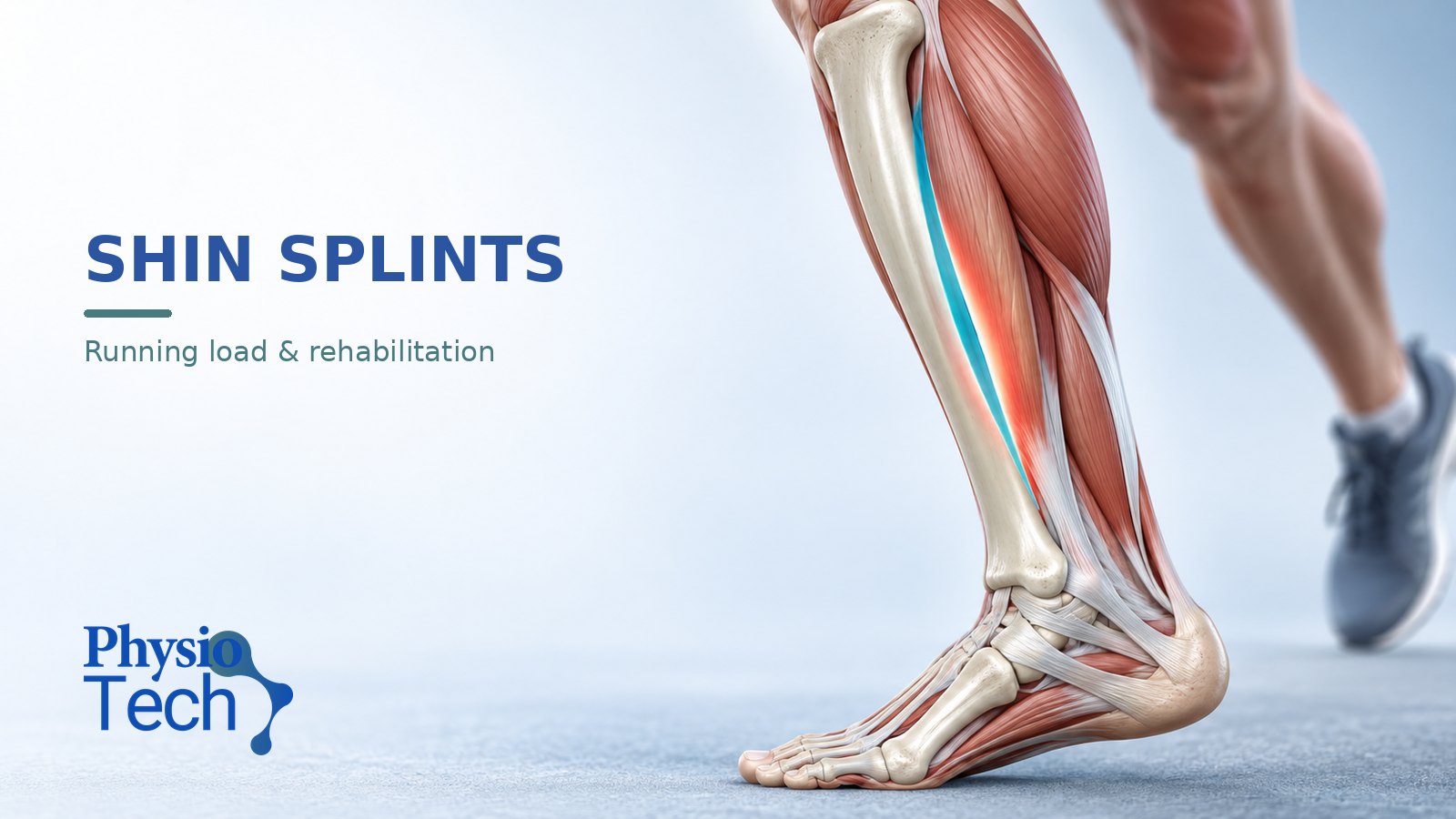
Running-related shin pain, often called shin splints or medial tibial stress syndrome, usually affects a broad area along the inner border of the tibia. It commonly follows a faster increase in training than the tissues can adapt to, such as adding distance, speed, hills, or a new surface. Temporary rest may settle symptoms, but preventing recurrence requires rebuilding capacity and correcting the load spike.
اقرأ المقال بالعربيةTypical symptoms
Pain is usually spread across several centimeters along the inner shin. It may appear early in a run and ease, or progressively worsen with continued training. Tenderness and post-exercise stiffness are common. Very focal pain in one small spot, rest pain, or pain during ordinary walking needs assessment for a possible bone stress injury.
Why runners develop shin splints
Common contributors include a sudden increase in weekly volume, combining speed and hills too quickly, returning after a break, limited calf and hip capacity, and changing shoes or surfaces. No single factor explains every case, so training history matters more than foot shape alone.
Shin splints versus stress fracture
Diffuse running-related tenderness fits shin splints more closely, whereas severe focal pain, pain with walking, rest pain, or marked hopping pain raises concern for a bone stress injury. Description alone cannot confirm the diagnosis; medical examination and imaging may be needed when a stress injury is suspected.
Assessment at PhysioTech
We review distance, pace, consecutive training days, hills, surfaces, and footwear. Examination includes pain location, walking and hopping, ankle mobility, and calf, foot, and hip strength. The goal is to establish the load the leg currently tolerates and choose a safe starting point.
Treatment and load management
Provocative running is temporarily reduced while fitness is maintained through suitable alternatives. Rehabilitation builds calf, foot, and hip strength, improves hopping capacity, and then reintroduces running in measurable doses. Ice and passive treatments may ease symptoms but do not replace training modification and progressive loading.
When can you run again?
Return begins when walking and daily activities are comfortable and appropriate strength and hopping tasks do not cause a clear next-day flare. Running duration or speed is increased gradually, avoiding simultaneous jumps in distance, intensity, and hills.
Book a running-injury assessment
If shin pain returns whenever you increase distance or prevents consistent training, book an assessment at PhysioTech in Zahraa El Maadi. We analyze training load, movement, and strength, then build a return-to-running plan for your level.
Medical source
This article draws on information from the American Academy of Orthopaedic Surgeons about shin splints. It is educational and does not replace diagnosis, especially when a stress fracture is suspected.